
A tingling or numb chin can be alarming, especially if it appears out of the blue. In most cases, it will be because of a simple dental or nerve complication, though it is a symptom we encourage seeing a professional for, rather than ignoring it.
Here’s what tingling around the chin and mouth usually means, and when it’s time to get it looked at.
What Causes Chin Tingling?
The chin and lower lip are supplied by the mental nerve, a branch of the inferior alveolar nerve that runs through the lower jawbone. Tingling in this area usually points to some form of irritation, pressure, or minor damage to this nerve.
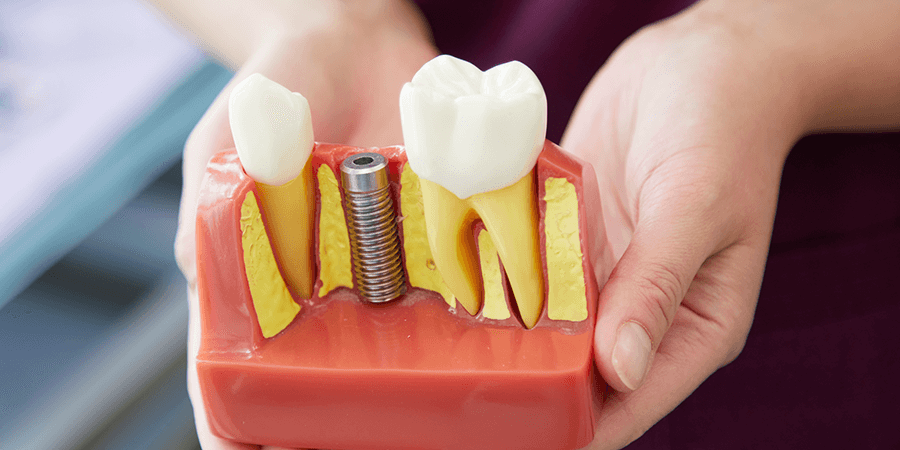
Common causes include recent dental treatment, such as wisdom tooth removal, root canal treatment, or lower jaw dental implants, all of which sit close to this nerve. Facial aesthetics involving injections near the chin or jawline can also cause temporary tingling, as can teeth grinding, jaw clenching, or even sleeping in an awkward position.
Common Types of Tingling

Tingling Around the Mouth and Chin
When tingling extends from the chin up towards the corners of the mouth, it’s usually linked to the same nerve pathway, since the mental nerve branches supply both areas.
This pattern is common after lower jaw procedures, like implants or extractions, where mild nerve irritation during treatment can cause temporary sensory changes while the area heals.
If you’ve recently had oral surgery in the lower jaw, some tingling isn’t unusual, though it is worth flagging to your dentist so they can check that everything is healing as expected.
My Chin Feels Numb
Numbness is a step further than tingling and suggests there is more pressure or disturbance on or around the nerve. This is a recognised, if uncommon, risk following procedures involving the lower jawbone.
The good news is, this usually resolves as the nerve recovers, though this can take anywhere from a few weeks to a few months.
If you are experiencing numbness but haven’t had any recent dental or facial treatment, this does need a proper assessment, as it can be linked to other conditions that affect nerves.
When to see a Specialist

If you are experiencing any of the following, we recommend booking a consultation to ease any concerns and help correct issues where possible.
- Tingling or numbness that follows recent dental or facial aesthetics and hasn’t begun to ease in the following weeks
- If the tingling is spreading, getting worse, or affecting larger and larger areas
- If you are experiencing weakness, drooping, or slurred speech alongside the tingling. This requires urgent medical attention immediately, not a dentist visit.
- If the numbness is affecting your ability to eat, drink, or speak comfortably
At Harley Street Oral Reconstruction Centre (HSORC), our experienced team can speak with you and assess if your tingling is related to recent treatment, an underlying dental issue, or if you need a referral.
Get in touch today to ask any questions or book an appointment; we would be delighted to help.