
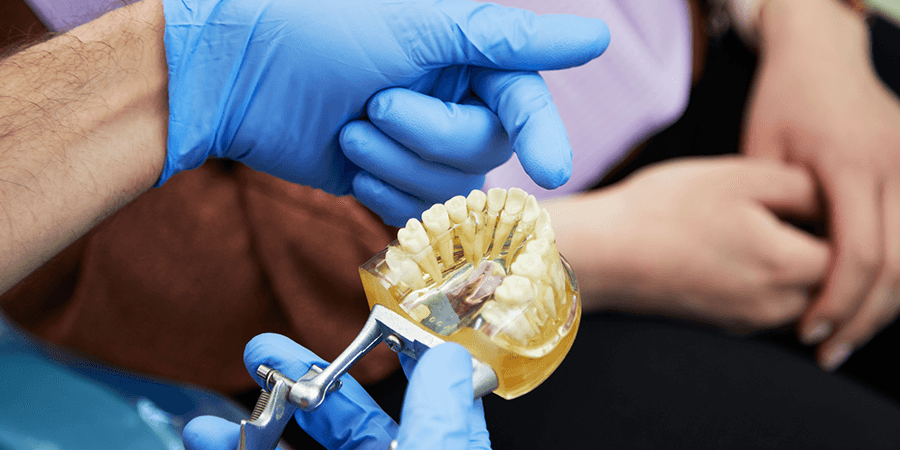
Are you struggling to navigate life with missing teeth?
Here’s everything you need to know – including causes, side effects and the cosmetic dentistry methods that can replace missing teeth naturally and effectively.
What is a missing tooth?
As the name suggests, missing teeth are when a previously secure tooth becomes loose and falls out, creating a gap in a smile. It’s a common issue and can happen for several reasons.
Even just one gap can cause problems, in both look and function. With side effects ranging from low self-esteem to serious health complications – making it vital that any missing teeth are replaced as soon as possible.
However, not every missing tooth needs to be replaced. Your dentist will review the risks of leaving the gap and weigh it against the benefits of replacing the tooth before starting treatment.
Causes of missing teeth

Tooth decay
Ultimately, tooth decay stems from poor dental hygiene and a diet rich in processed sugar. It happens when the enamel weakens and eventually erodes, creating small holes (cavities). If not treated, infection can occur potentially leading to tooth loss.
Dental trauma and injuries
Playing contact sports like rugby can often lead to tooth loss. Even if it doesn’t directly knock the tooth out, it can cause a crack, chip or damage to the jaw, which could lead to an emergency extraction to prevent further infection.
Cracked teeth
Micro-cracks can appear in the teeth over time – especially those with old and large fillings. If people grind or clench their teeth, these cracks can get bigger. And if left untreated, it can cause a fracture, resulting in a lost tooth.
Gum disease
The bone and gums surrounding your teeth are vital to their health. Gum disease is an inflammatory process affecting the surrounding tissues which may lead to bone loss around the teeth. If this bone loss and inflammation is not treated properly, the teeth can become loose and eventually fall out.
Hypodontia
Hypodontia is when you’re born without some of your permanent teeth because they don’t develop properly. It’s an unusual problem, affecting less than 10% of the population, but can cause major issues in confidence, speech and bite.
It’s commonly down to a biological birth defect passed down from parents, but it can also occur as a result of certain illnesses, infections and treatments during the tooth development period.
Impact of Missing Teeth
Speech
Depending on where in the mouth teeth are missing, it can lead to speech problems. Those with missing teeth often have a lisp and struggle to make certain sounds. This can significantly affect the quality of life and social engagements
Alignment and bite
If you have missing teeth, it can cause the surrounding teeth to move and migrate to fill in the gap, creating bite irregularities. This is a particular concern if you are under the age of 50, due to how much your teeth move at this stage.
Multiple missing teeth can also lead to bone loss and affect facial appearance – often causing the cheeks to sag due to lack of support.
Eating
The more teeth you have missing, the more difficult it can be to enjoy mealtimes. This prevents you from fueling your body with nutritious food, affecting your general health, oral health and ability to fight infection.
Confidence
Insecurity is one of the main reasons why so many people choose to undergo cosmetic dentistry treatments. Not only is it the appearance of a missing tooth that people are concerned about, but the issues that come with it!
If those with missing teeth struggle to speak and eat, they’re less likely to socialise with friends or pursue romantic relationships, leading to a low quality of life.
Replacing Missing Teeth
If you have one or more missing teeth and are looking to replace them – you’re in luck. Harley Street Oral Reconstruction Centre has a wide range of cosmetic dental treatments to create a full and healthy-looking smile – no matter the reason for your missing teeth.
Dental Implants
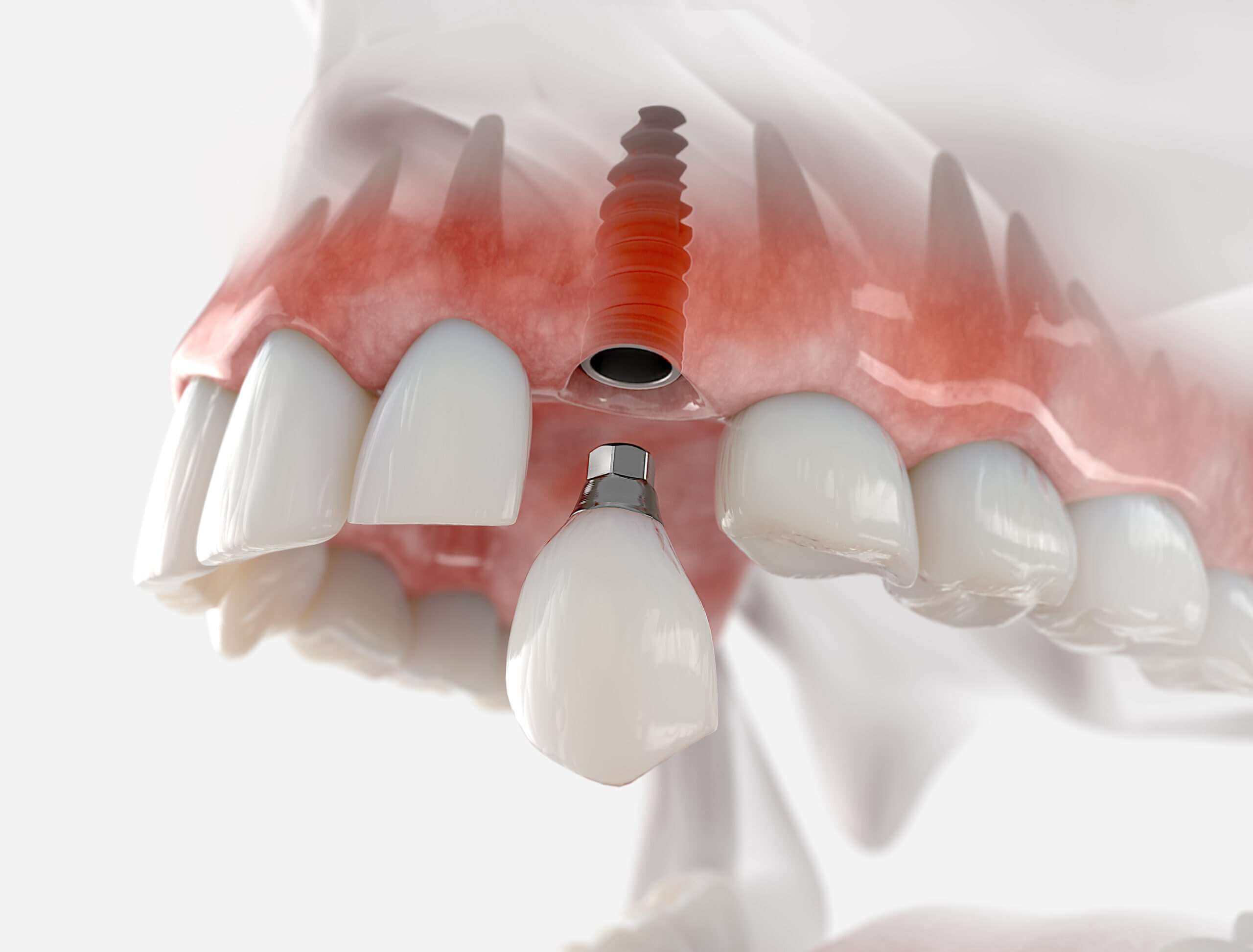
A dental implant procedure involves placing a titanium rod into the jawbone to support and retain a crown or bridge or a denture, to fill in any gaps.
Over time, the titanium rod bonds to the bone in your jaw. This takes a few months and results in functional integration of the implant – known as “osseointegration”. Once fully integrated into your jaw, your dentist can then fabricate tooth replacements which are anchored on the dental implant offering a secure option that supports the natural function of your mouth.
Your new teeth will be made to look and feel just like your natural teeth, without causing damage to the surrounding teeth, prolonging their lifespan and reducing the likelihood of them becoming missing teeth too.
Dental implants can be used to replace one or more missing teeth – they can even be used on a full mouth of missing teeth as an alternative to removable dentures.
Dentures
A natural and flexible solution that’s perfect for one or more missing teeth. Dentures are one of the least invasive treatments but still have the ability to improve chew, bite and speech.
They are a plate with a number of false teeth on it (the amount you wish to replace) and have a small metal clasp to secure them to the roof of your mouth. To avoid a build-up of bacteria and food debris, they must be frequently removed and cleaned.
If you have no teeth left in your upper jaw, full upper dentures will be needed. These consist of a plastic plate that sits on the roof of the mouth, secured by a suction on the palate.
Full lower dentures, however, are more difficult to keep in place, so takes a little while longer to balance against your cheeks and tongue comfortably.
It’s important to note that removable dentures won’t feel the same as your natural teeth, as they aren’t fixed to your jaw. However, they will improve the overall look of the teeth, allowing you to eat, speak and smile confidently.

Conventional Tooth Bridges
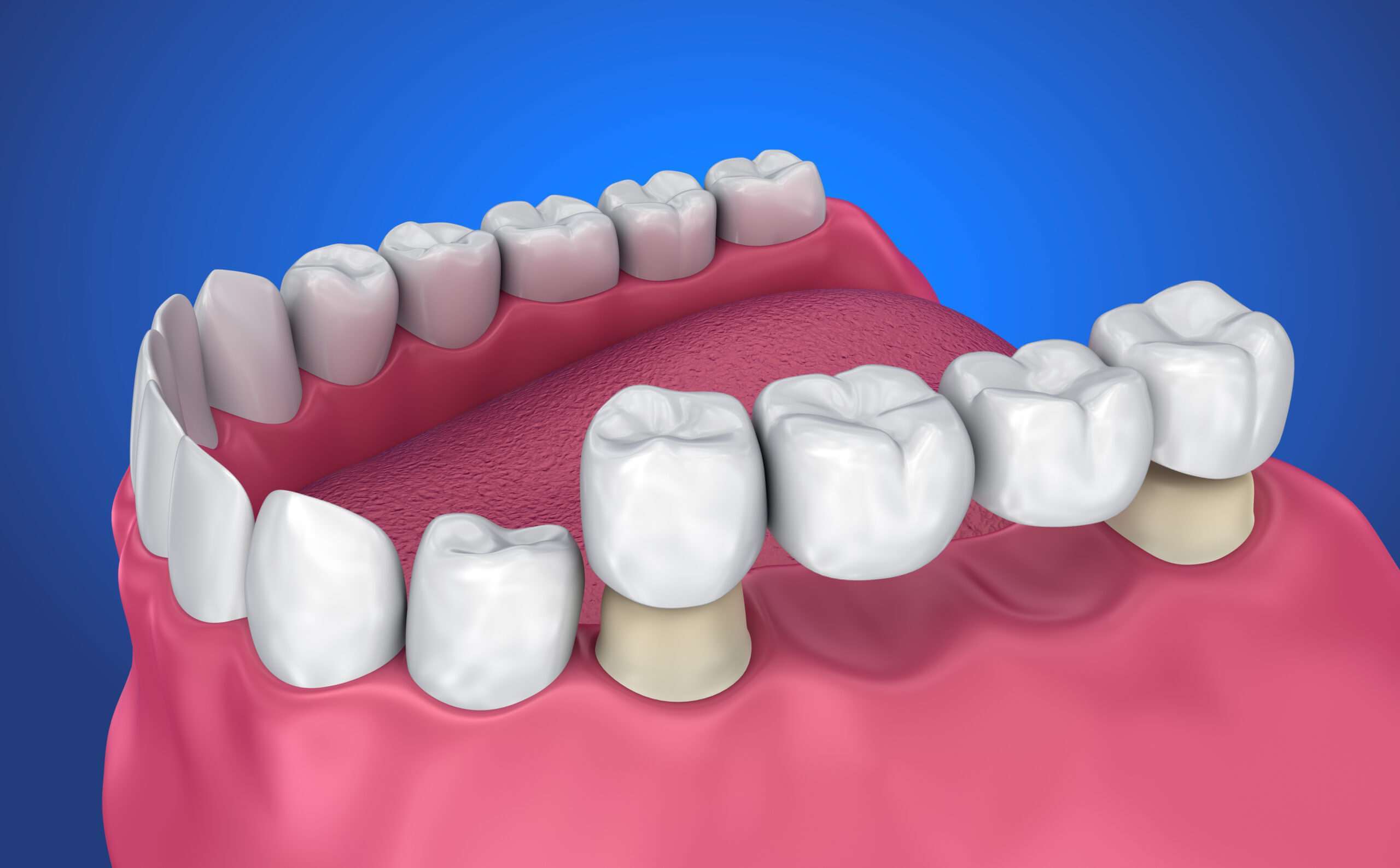
Dental bridges can be used on top of an implant or alone. They sit on the gum and are supported by the surrounding teeth, preventing further damage and weakening of your smile.
Bridges are recommended for those with one or two missing teeth. It involves using a crown on the teeth on either side of the gap, and a replacement tooth in the middle, for maximum support and a seamless look.
Long-term, fixed bridges can last between 10-15 years before needing to be replaced, however, it’s important they are adequately maintained.
The only limitation of this treatment is that enamel removal is needed on the adjacent teeth to prepare them for the crown, making sensitivity and weakness more likely.
Why choose Harley Street Oral Reconstruction Centre to replace your missing teeth?
Since we opened our doors, we have been praised for our dental excellence performed by leading clinicians, who are dedicated to making sure every patient leaves with a smile.
To ensure we’re offering valuable and effective procedures to every patient, we regularly build on our knowledge and invest in technology, allowing us to cater to as many needs as possible – no matter how complex.
With a warm and welcoming environment, you’ll be treated with the utmost care, while we develop a bespoke plan for you and your unique needs.
So, what are you waiting for?
If you have missing teeth and are ready to take the next step to a full and healthy smile, book an appointment online or contact us today to learn more.
Professor Lambis Petridis, Our Specialist Prosthodontist

Professor Lambis Petridis is our highly experienced American-trained dentist, consultant and specialist Prosthodontist with 30+ years experience treating patients using evidence-based dental care. Dr. Petridis serves patients requiring simple or extensive prosthetic rehabilitation of missing, broken or worn teeth with either tooth or implant supported bridges, as well as aesthetic smile make-overs with bleaching and veneers. He also attends the needs of General dentistry for his patients.
Prosthodontics is suitable for patients requiring dental restoration, for specialist service start the conversation with Harley Street Oral Reconstruction Centre.